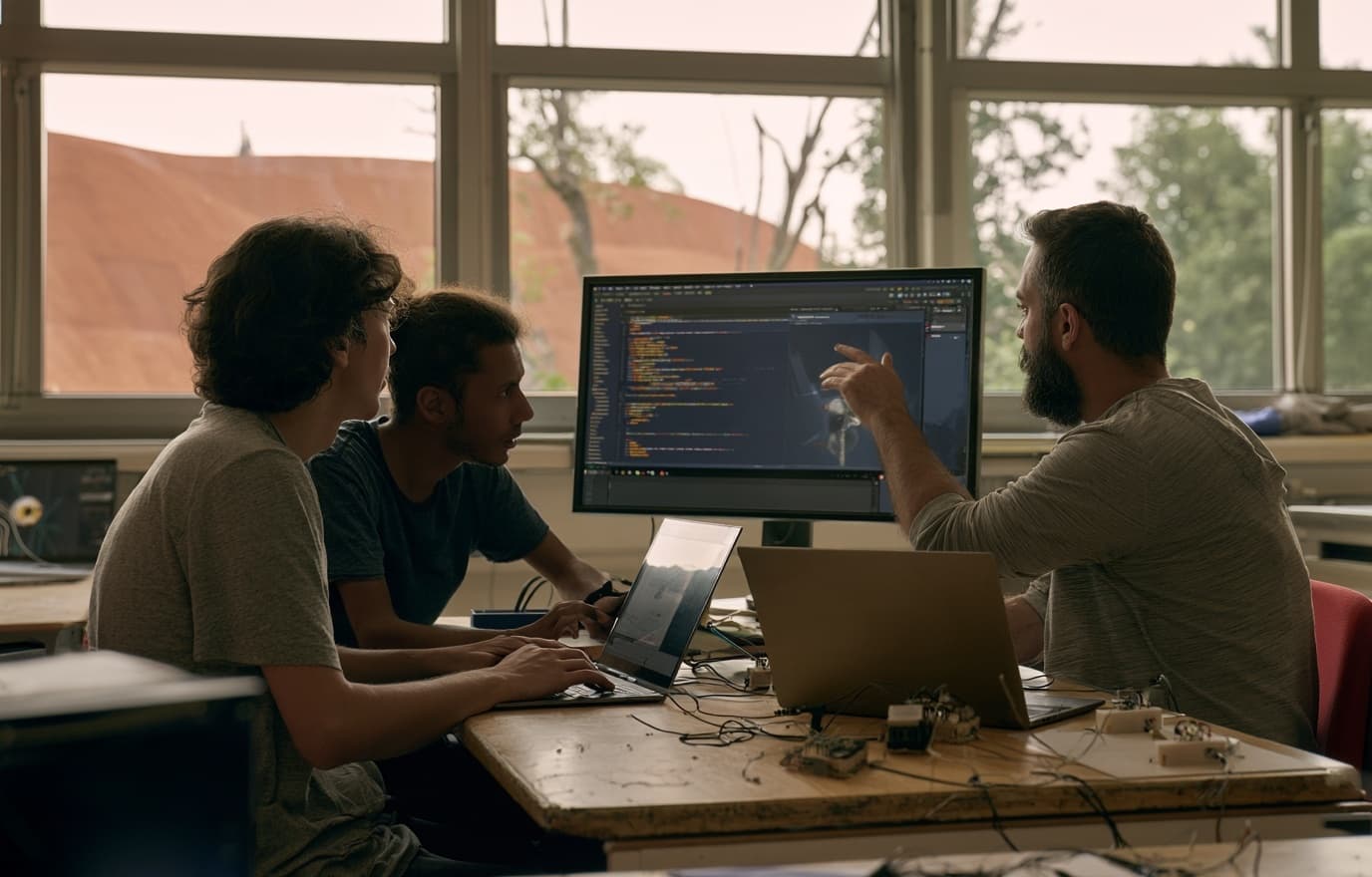
An AI training program should change how a team completes real work. Before a session, choose recurring tasks and record how long they take. During training, have people use their own tools and material. Afterward, check the time saved, the quality of the result, and whether teammates can repeat the method without an instructor in the room.
Choose work that matters
Research, writing, communication, and routine coordination are useful starting points when they consume time every week. Ask each participant to bring a task they own. That gives the session a clear test: did the method help with the work they already need to do?
Count review time too
Measure the whole task, including checking facts, editing output, and moving the result into the right system. A faster first draft does not help much if it creates more review work. Compare the finished result with the team's usual standard for accuracy and privacy.
Look for a method the team can reuse
Good training leaves people with choices they can explain: which tool fits a task, what context to provide, when to ask for a plan, and how to check an answer. Shared examples and practice make those choices available to other teammates.
Check the work after the session
Ask which techniques people kept using, where they got stuck, and what changed in the time required for recurring tasks. The answer may differ by role. Use those observations to decide whether the next step is more training, a shared workflow, or software that removes repetitive steps.
Martian's AI training program uses participants' own tasks. Our Renew Home training case study shows how a tailored curriculum and hands-on sessions worked across three offices. The foundations workshop shows a shorter format focused on engineering teams.